
Most people think performance marketing starts the moment an ad goes live. It doesn’t. It starts much earlier, with a business decision.
What are you trying to accomplish?
That question sounds simple, but it’s where many campaigns go off track. Businesses launch ads because they want more leads, more traffic, or more visibility without first defining what success actually looks like. The result is marketing that generates activity but doesn’t always move the business forward.
When Julian Leaver Events came to us, the challenge wasn’t credibility. That part was already solved.
Julian had built an impressive portfolio, a strong reputation, and years of experience designing luxury weddings and events. His work spoke for itself. The question wasn’t whether couples would trust him to plan their wedding. The question was whether the right couples knew he existed.
Julian wanted to expand his presence among couples planning destination weddings in Mexico, one of the fastest-growing luxury wedding markets. That meant introducing his brand to an entirely new audience before they had started reaching out to planners.
We weren’t trying to convince people to inquire after seeing one ad. We were building familiarity.
Not every successful campaign is designed to generate an immediate inquiry. Some of the strongest campaigns are built to create demand long before someone is ready to book. By intentionally building visibility with the right audience early in their decision-making journey, every impression becomes an investment in future business rather than a short-term metric.
That’s exactly how we approached this campaign.
In our previous article, we explored why beautiful content alone doesn’t guarantee bookings. This campaign shows what happens when exceptional creative is paired with a clear performance marketing strategy, one built around a defined business objective rather than simply generating more impressions.
That required a campaign designed around positioning before conversion.
The Goal Wasn’t Reach. It Was Relevance.
One of the biggest mistakes we see brands make is assuming bigger numbers automatically mean better marketing. More impressions. More clicks. More engagement.
Those metrics have their place, but none of them matter if they’re coming from the wrong audience.
Before launching a single ad, we asked a different question. Who actually needs to see Julian’s brand?
The answer wasn’t everyone interested in weddings.
It was couples actively exploring destination weddings in Mexico. People researching luxury travel. Audiences already showing behaviors that suggested they were planning a celebration away from home.
That’s a much smaller audience. But it’s a far more valuable one.
Performance marketing becomes significantly more effective when it’s built around relevance instead of volume. Rather than trying to maximize exposure, we focused on introducing Julian’s work to people who were most likely to become qualified inquiries months later.
That changed everything from our targeting strategy to our creative decisions.
Every visual needed to reinforce destination expertise. Every piece of messaging needed to position Julian as someone who understood the unique experience of planning a luxury wedding abroad. Every interaction needed to strengthen familiarity rather than simply generate another impression.
This is an important distinction because luxury brands rarely need mass awareness. They need meaningful awareness.
The goal isn’t to have everyone recognize your brand. It’s to have the right audience remember it when they’re ready to make a decision.
That principle extends far beyond destination weddings. Whether you’re a luxury hotel introducing a new market, a resort attracting international travelers, or a venue expanding into corporate events, the objective isn’t simply to be seen.
It’s to become relevant to the audience you actually want to serve. Once the business objective is clear, every creative decision becomes much easier to make.
Why Creative Matters More Than Most People Think
One of the biggest misconceptions about paid advertising is that audience targeting is what determines whether a campaign succeeds.
Targeting matters. But targeting only determines who sees the message. Creative determines whether they care enough to stop, pay attention, and remember your brand.
That’s especially true in luxury marketing.
People don’t choose a wedding planner, venue, or luxury hotel because an advertisement appeared in front of them. They choose brands that make them feel something. Long before someone requests a proposal or books a consultation, they’re imagining what the experience could look like. Creative plays a significant role in shaping that perception.
For Julian’s campaign, we weren’t looking for one perfect advertisement.
We were building a collection of creative that introduced the brand from different angles while reinforcing the same positioning message. Every format had a purpose, and together they created a much stronger experience than any single ad could have accomplished on its own.
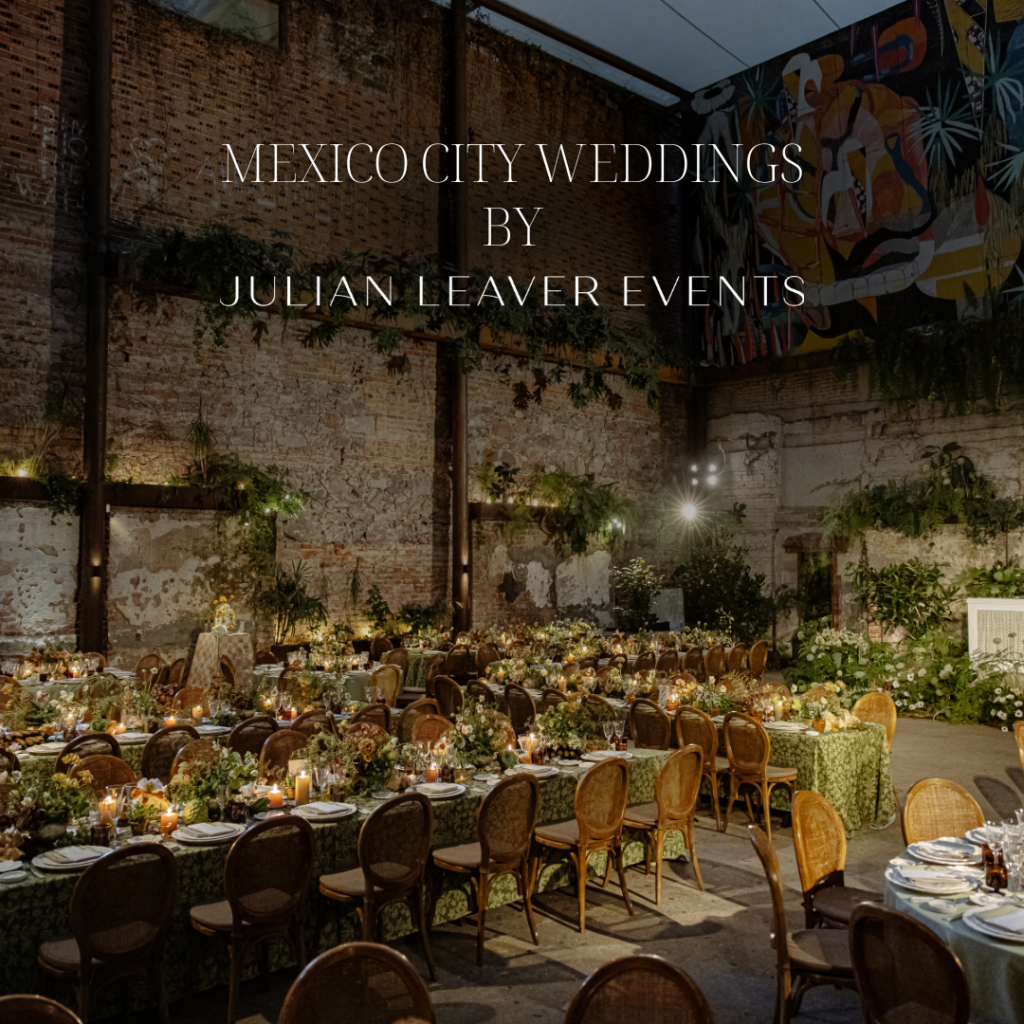
Example #1: Single Image Ad
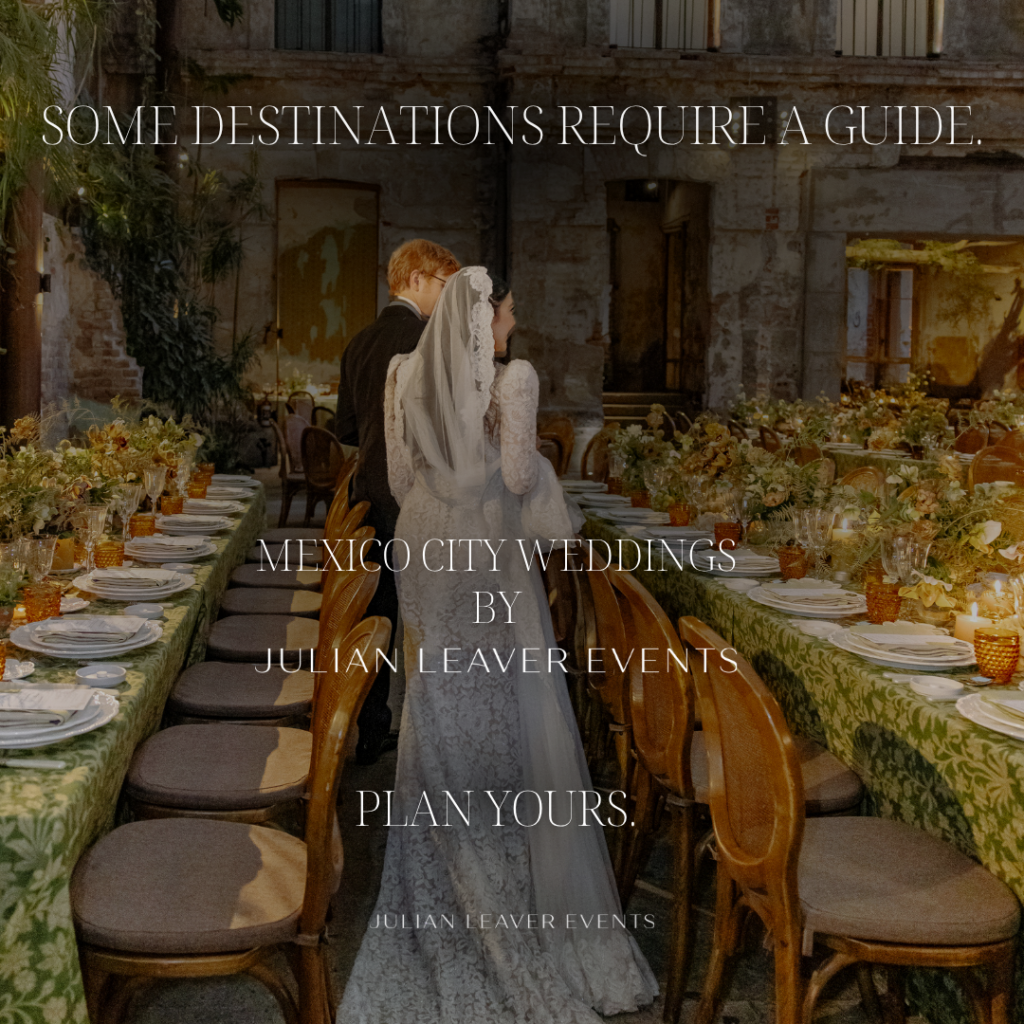
We started with a static image because we wanted the first impression to be immediate.
The photography already communicated the level of work Julian is known for. A single image was enough to establish quality, destination expertise, and an elevated experience within seconds.
This type of creative performs particularly well when the objective is awareness. It’s simple to consume, visually impactful, and easy for audiences to process while scrolling. For luxury brands, a strong image often communicates professionalism and quality faster than several paragraphs of copy ever could.
Example #2: Carousel Ad
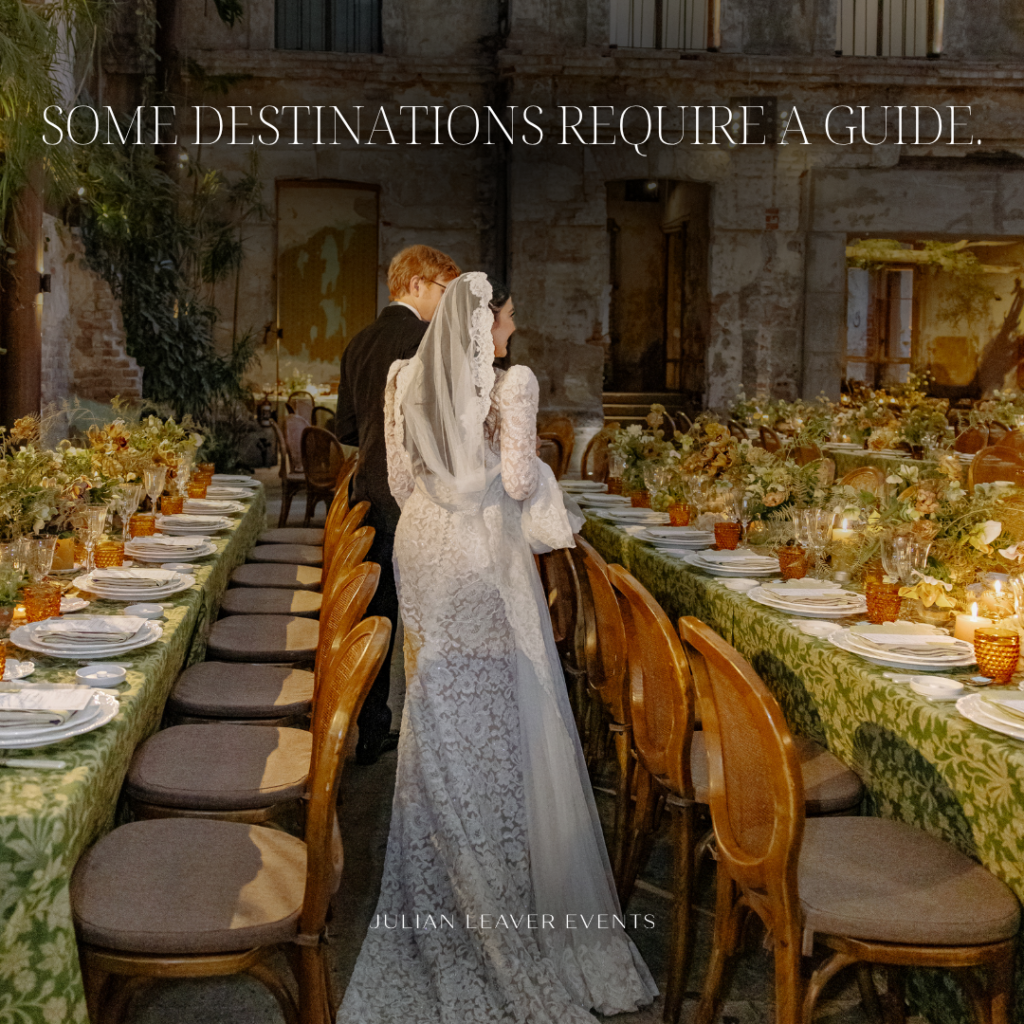
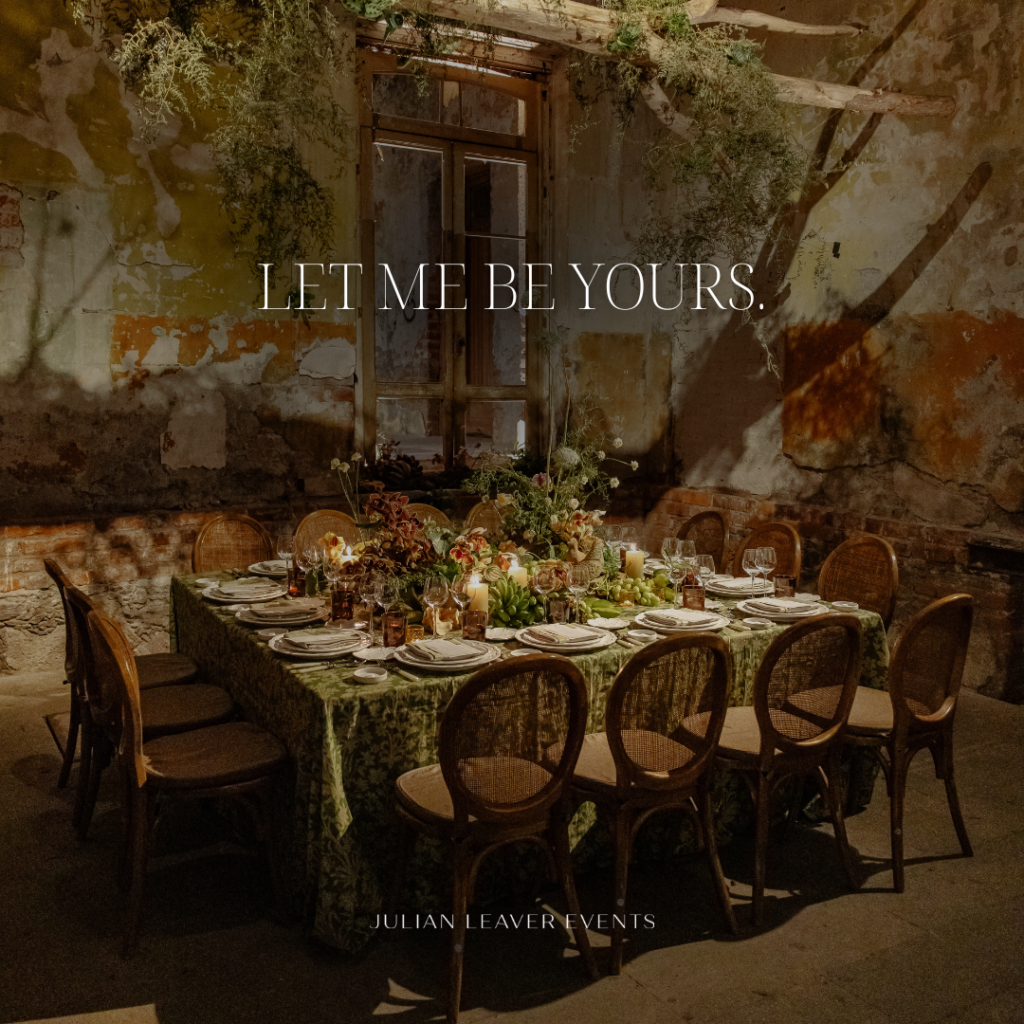
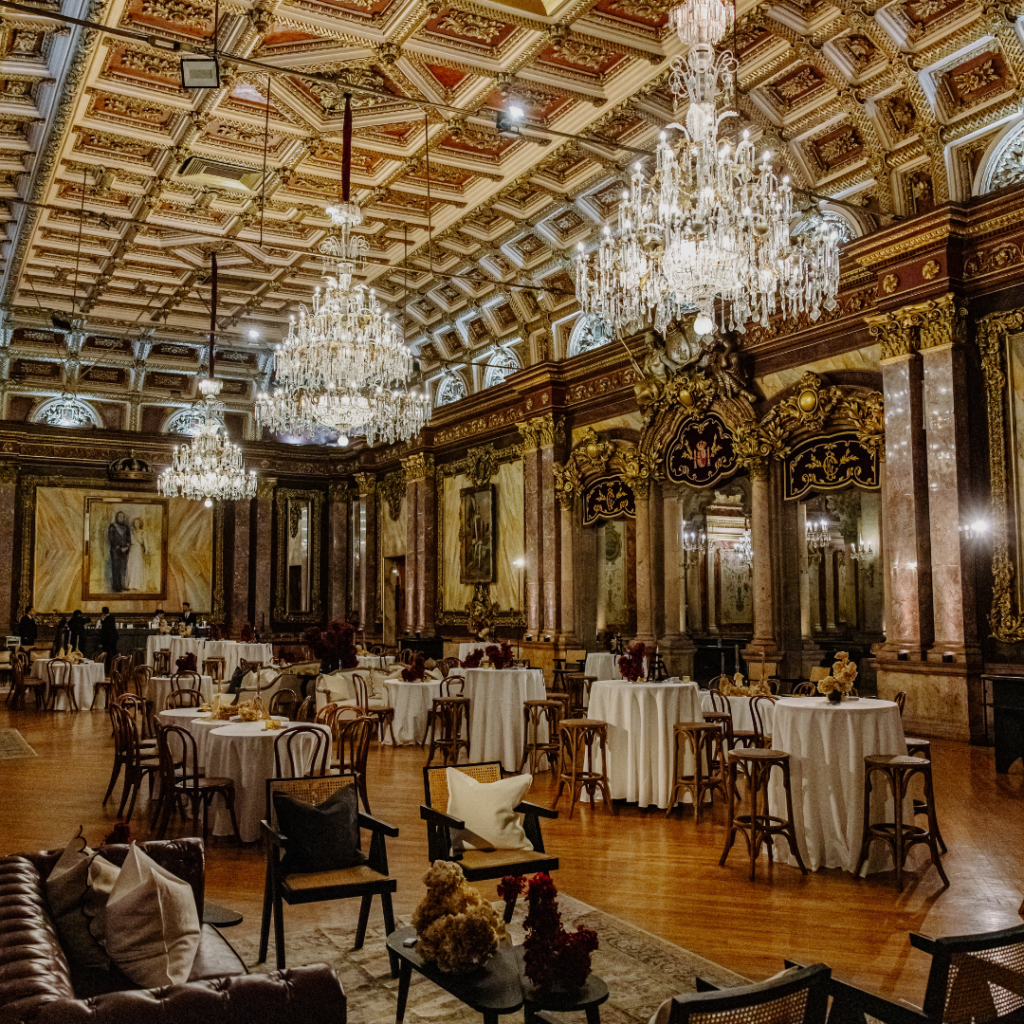
One image introduces a story. A carousel allows you to finish it.
Destination weddings are remembered as a collection of moments, not a single photograph. A carousel allowed us to tell a more complete story by revealing different layers of the experience with every swipe.
Rather than asking prospective clients to make a decision based on one photograph, we gave them the opportunity to explore multiple moments from the same celebration. Every swipe encouraged viewers to spend more time with the brand while reinforcing Julian’s ability to design destination weddings at an exceptional level.
For luxury hospitality brands, this same approach works exceptionally well. Hotels can showcase accommodations, dining, wellness experiences, and guest amenities within one advertisement. Venues can guide prospective clients from arrival to reception. Every additional image creates another opportunity to build confidence.
Luxury decisions rarely happen after seeing one photograph. They’re built through a series of impressions that collectively tell a bigger story.
Example #3: Reel Ad
Some experiences simply need movement.
Video has the ability to communicate atmosphere in a way static creative never can. It captures emotion, energy, scale, and pace while helping audiences experience the event rather than simply observe it.
For this campaign, the Reel wasn’t created to explain Julian’s services. It was designed to immerse prospective clients in the feeling of a destination celebration, allowing them to experience the atmosphere before ever submitting an inquiry.
That’s why video continues to play such an important role in awareness campaigns. Not because it generates more views, but because it builds stronger familiarity.
By the time someone is ready to inquire, they don’t feel like they’re discovering your brand for the first time. They already recognize it. They’ve already connected with it. They’ve already started building trust before the conversation even begins.
That is exactly what this campaign was designed to accomplish.
How We Measured Success
Because the objective was market expansion, not immediate conversions, we evaluated this campaign differently.
Rather than focusing exclusively on inquiries, we looked at whether we were successfully building awareness with the right audience. Were the ads reaching prospective destination couples? Were they engaging with the creative? Were they spending time on Julian’s website and returning to learn more?
These signals told us whether the campaign was successfully building familiarity with the people most likely to become future clients.
When your objective is long-term growth, success isn’t measured by one metric. It’s measured by whether your marketing is moving the right audience closer to a decision
Performance Marketing Is About Building Momentum
One of the biggest misconceptions in our industry is that success comes from finding one advertisement that outperforms all the others. It doesn’t.
Real performance comes from building a connected system where audience targeting, creative, messaging, landing pages, and conversion strategy all work toward the same business objective.
That’s what creates predictable growth.
The businesses seeing the strongest results today aren’t constantly searching for the next marketing tactic. They’re building campaigns that create momentum over time. Every interaction strengthens the next, every campaign reinforces the brand, and every touchpoint moves someone closer to becoming a customer.
That’s the difference between running ads and building a true performance marketing strategy. One generates activity. The other generates business growth.
Conclusion
Expanding into a new market requires more than increasing visibility. It requires strategic visibility.
The Julian Leaver Events campaign wasn’t designed to reach everyone. It was designed to introduce the brand to the right audience, in the right market, through a series of intentional touchpoints that built familiarity over time. From the very beginning, the objective wasn’t simply to generate clicks. It was to create recognition, build trust, and ensure the brand was top of mind when prospective clients were ready to make a decision.
That’s where many luxury brands misunderstand performance marketing. They focus on finding one high-performing ad instead of building a connected campaign that guides people from discovery to inquiry. The strongest campaigns aren’t built around individual pieces of creative. They’re built around a clear business objective, supported by multiple touchpoints that reinforce the same positioning message throughout the customer journey.
Beautiful creative will always matter. But creative alone isn’t the strategy. It’s one part of a much larger system designed to move the right audience toward action. When every element works together, marketing becomes more than a way to generate traffic. It becomes a tool for entering new markets, strengthening brand awareness, and driving long-term business growth.
Thinking About Expanding Into a New Market?
Julian’s campaign wasn’t successful because it relied on one great advertisement.
It succeeded because every decision, from audience targeting to creative development, supported a clearly defined business objective.
Whether you’re a luxury wedding planner looking to attract destination clients, a hotel introducing a new guest experience, or a hospitality brand expanding into a new market, success starts long before someone submits an inquiry. It starts with making sure the right audience sees the right message at the right time.
At The Media Socialites, we help luxury wedding and hospitality brands build marketing systems that connect strategy, creative, audience targeting, and conversion. The result isn’t simply more visibility, it’s stronger positioning, more qualified opportunities, and sustainable business growth.
If you’re ready to expand into a new market with a strategy designed for long-term success, we’d love to start the conversation.
